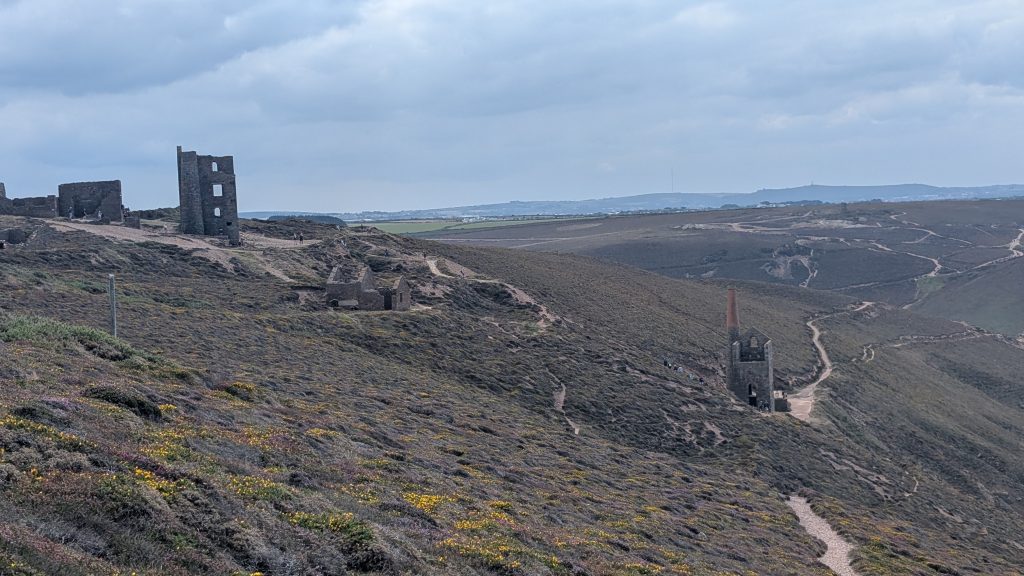
The South West Coast Path and the Cornish Tin Mining Industry together tell one of Cornwall’s most compelling stories, where rugged clifftop trails lead past iconic engine houses and disused mine shafts. This coastline once powered the world’s tin trade, with rich lodes attracting miners from far and wide and shaping the culture of the communities you see today.
Tin has been mined in Cornwall since prehistoric times, with the county’s deposits playing a vital role in the Bronze Age when tin was alloyed with copper to make bronze. By the medieval period, tin from Cornwall was being exported to Europe, and the 18th and 19th centuries saw the industry boom with the advent of steam power and deep-lode mining. Many of these mines were perilously close to the sea, with tunnels stretching far beneath the ocean bed.
Legacy and Landscape
Today, nature has reclaimed much of Cornwall’s mining landscape. Heather and gorse cloak the spoil tips, seabirds wheel around old chimneys, and the roar of the surf has replaced the clatter of machinery. Yet the legacy is everywhere: in the engine houses that silhouette the skyline, in the stone cottages of mining villages, and in the place names that still echo their industrial past.
For walkers, this stretch of the South West Coast Path offers not only stunning sea views but also a vivid connection to Cornwall’s mining heritage — a story of ingenuity, hardship, and global influence carved into the cliffs.
This article was originally generated by ChatGPT